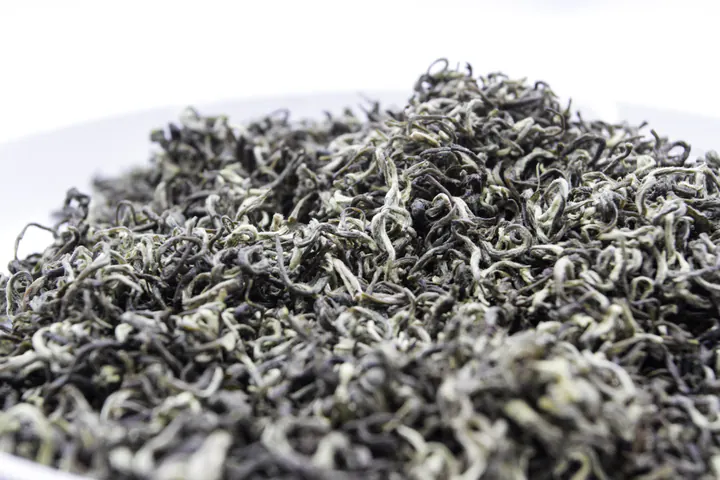
The concentrated 5 g / 80 ml clay-gaiwan setup made this Da Hong Pao aggressive. Three 95°C, 15-second steeps remained bitter and astringent. Dropping to 90°C with a very quick pour reduced the severity, but the owner qualified the result: slight dryness remained and both aroma and mineral character were weak. The porcelain-gaiwan setup used previously was preferred.
Casual three-steep session with the gifted LBT0012. Much more floral than LBT0005 and far more pleasant than LBT0021. The sour aftertaste helped explain LBT0021's earlier tomato-paste impression. Leaf weight and water type were not recorded, so no stock movement is applied.
An enjoyable early session with rose, roast, dried-fruit and mineral character. Steeps 2–3 were best. The 90°C fourth steep was thin; higher temperatures did not prevent the later decline. Liquor color and some body remained after aroma and flavor had largely disappeared.
Excellent aromatic longevity across 11 infusions. Steeps 1–3 were the most plush and dessert-like. Bitterness became prominent around steep 4; lowering to 90°C softened it but reduced body. Late steeps stayed aromatic while thinning and becoming more astringent.
The purple-wrapper pearl was measured at 6 g, correcting the earlier 5 g estimate. A room-temperature second infusion about 10 hours later seemed spent, while a final 60–70°C refill for 2–3 hours was acceptable. The chat described it as a five-year Bai Mudan, but packaging identity remains unconfirmed.
A successful controlled retest with 4.2 g in the porcelain gaiwan. The tea held through six useful steeps and was exhausted by the seventh. The owner was not feeling well, which may have affected sensory perception.